
Full-Length Isoform Sequencing with PacBio Iso-Seq
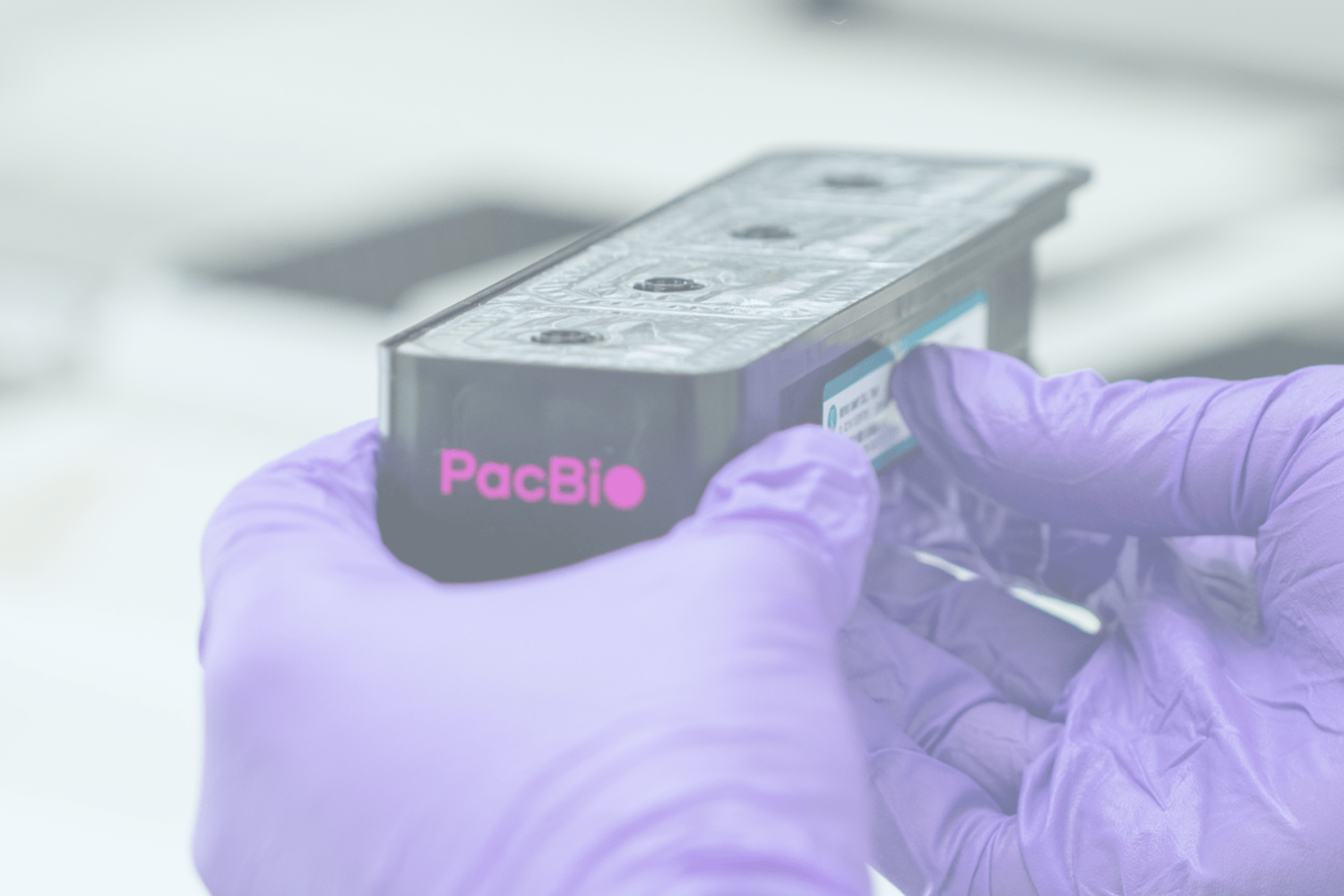
Traditional RNA sequencing fragments your transcripts into short reads that must be computationally pieced back together. PacBio Iso-Seq changes the game by capturing complete transcripts from 5' to 3' in a single read.
At Admera Health, we partner with you on Iso-Seq projects to deliver high-quality sequencing and analysis with rigorous QC at every stage.
What Makes Iso-seq Different than Traditional Bulk RNA-seq?
Iso-Seq is a long-read, full-length transcript sequencing approach that captures complete isoforms without assembly, enabling precise characterization of splicing, transcript structure, and gene regulation in eukaryotic systems.
Four Key Advantages:
Full-Length Transcript Coverage (5' to 3')
See exactly which exons combine in each isoform without the guesswork. You get the complete picture from cap to poly(A) tail.HiFi Accuracy (>99.9%)
PacBio's High-Fidelity sequencing delivers exceptional per-base accuracy, eliminating the traditional trade-off between read length and quality. Confidently identify true biological isoforms vs. sequencing errors.Robust Detection of Alternative Splicing
Discover novel splice junctions, rare isoforms, and tissue-specific variants that short-read methods miss. Perfect for characterizing complex splicing patterns.Accurate Isoform-Level Quantification
Count actual molecules rather than inferring abundances from fragments. Get reliable estimates of how much of each isoform is expressed.
What Can You Study With Iso-seq?
Novel isoform discovery in any tissue or condition
Alternative splicing changes in disease, development, or treatment
Fusion transcript identification in cancer samples
Transcriptome annotation for non-model organisms
Isoform switching where gene expression stays constant but ratios change
Allele-specific expression when combined with genomic data
Sample Requirements
Iso-seq is designed for eukaryotic samples (animals, plants, fungi, protists).
What we need:
Sample type
Extracted total RNA with QC documentation
Amount
1-2 µg (minimum 500 ng per sample)
Integrity
RIN ≥ 7
Purity
OD 260/280: 1.8-2.0
OD 260/230: 2.0-2.2
Why These Metrics Matter
RIN ≥ 7: Iso-Seq sequences full-length molecules. Degraded RNA = truncated transcripts and incomplete isoform information.
Purity ratios: Contaminants inhibit the enzymes used in cDNA synthesis and library prep. Clean RNA = successful libraries.
Sufficient quantity: Ensures adequate material for QC validation, library prep, and potential re-sequencing if needed.
What to provide: Extracted RNA shipped on dry ice with QC documentation (Bioanalyzer/TapeStation trace, concentration data, purity ratios).
The Iso-seq Workflow
1. RNA Quality Control
Independent QC validation upon receipt
Verify RIN, concentration, and purity
We communicate status of QC before proceeding with library preparation
Timeline: 2-3 business days
2. cDNA Synthesis & Library Preparation
Generate full-length cDNA using template-switching technology
Construct SMRTbell libraries optimized for HiFi sequencing
Rigorous QC: size distribution, concentration, ligation efficiency
Timeline: 1-2 weeks
3. HiFi Sequencing on PacBio Revio
State-of-the-art platform generates >99.9% accuracy reads
Multiple passes over circular templates create high-quality consensus
Sequencing depth tailored to your goals (discovery vs. quantification)
Real-time performance monitoring
Timeline: 1-2 weeks
4. Bioinformatics Pipeline
HiFi read generation from raw data
De-segmentation to remove concatemers
Demultiplexing (if samples barcoded)
Isoform clustering to group similar reads
Mapping to reference genome
Transcript classification: Known isoforms, novel combinations, or truly novel transcripts
5. Downstream Analysis (Optional)
Differential expression at gene and isoform level
GSEA (Gene Set Enrichment Analysis)
GO enrichment (biological processes, molecular functions)
KEGG pathway analysis
Splicing variant analysis with visualizations
Timeline: +2-3 weeks for full analysis
Total Timeline: 4-6 weeks (core processing) or 6-8 weeks (with full analysis)
How To Get Started
Step 1: Define Your Project
Contact us to discuss:
Your organism and biological questions
Number of samples and comparisons
Timeline and budget
Step 2: Plan RNA Extraction & QC
Decide: extract yourself or have us do it?
Ensure samples meet requirements
Prepare QC documentation
Step 3: Determine Sequencing Depth
50-60 million segmented reads are generated per REVIO cell. Up to 12 samples can be multiplexed in one library prep. If you’re unsure about what sequencing depth is needed for your project, our team will help to optimize depth for your goals and budget.
Step 4: Select Analysis Needed
Choose between standard Iso-seq analysis or customized pipelines.
Step 5: Ship Your Samples
Ship RNA on dry ice with QC documentation
We validate upon receipt before proceeding with clear communication at every step
Step 6: Receive Your Data
Organized file structure with standard formats
Comprehensive reports and visualizations
Post-delivery consultation and support provided
Frequently Asked Questions
What organisms can you work with?
Any eukaryotic organism, model or non-model. Reference genomes help but aren't required. Not suitable for bacteria/prokaryotes.
What if my RNA is slightly degraded (RIN 6-7)?
Contact us. Borderline samples may work but will produce truncated reads. We can advise whether to proceed or obtain higher-quality RNA.
Can I multiplex many samples?
Yes, up to 12 samples can be multiplexed in one library to be sequenced on 1 to 2 REVIO cells.
How is Iso-Seq different from standard RNA-seq?
Standard RNA-seq fragments transcripts and requires assembly. Iso-Seq sequences complete isoforms in single reads, no assembly needed. Use Iso-Seq for isoform discovery; use standard RNA-seq for deep quantification across many samples.
Can I combine Iso-Seq with short-read RNA-seq?
Yes! Use Iso-Seq to discover/annotate isoforms, then short-read RNA-seq for cost-effective quantification. We can design integrated workflows.
Do you offer rush service?
Yes, expedited timelines available for additional fees. Contact us with your deadline.
What support do you provide after data delivery?
Post-delivery consultation to review results, email support for interpretation questions, and additional analysis services if needed.
Why Choose Admera for Iso-seq?
Choosing Admera Health for your Iso-seq project means more than just accessing state-of-the-art PacBio long-read technology, it’s about partnering with a team that prioritizes scientific integrity and collaboration at every stage. We integrate rigorous QC protocols to protect your investment, offering the flexibility of tailored workflows and expert bioinformatic analysis designed to meet the needs of your research. From initial experimental design to final publication, our approach is defined by transparency and dedicated support, ensuring you have the clear communication and specialized project management needed to transform complex transcriptomic data into meaningful discovery.